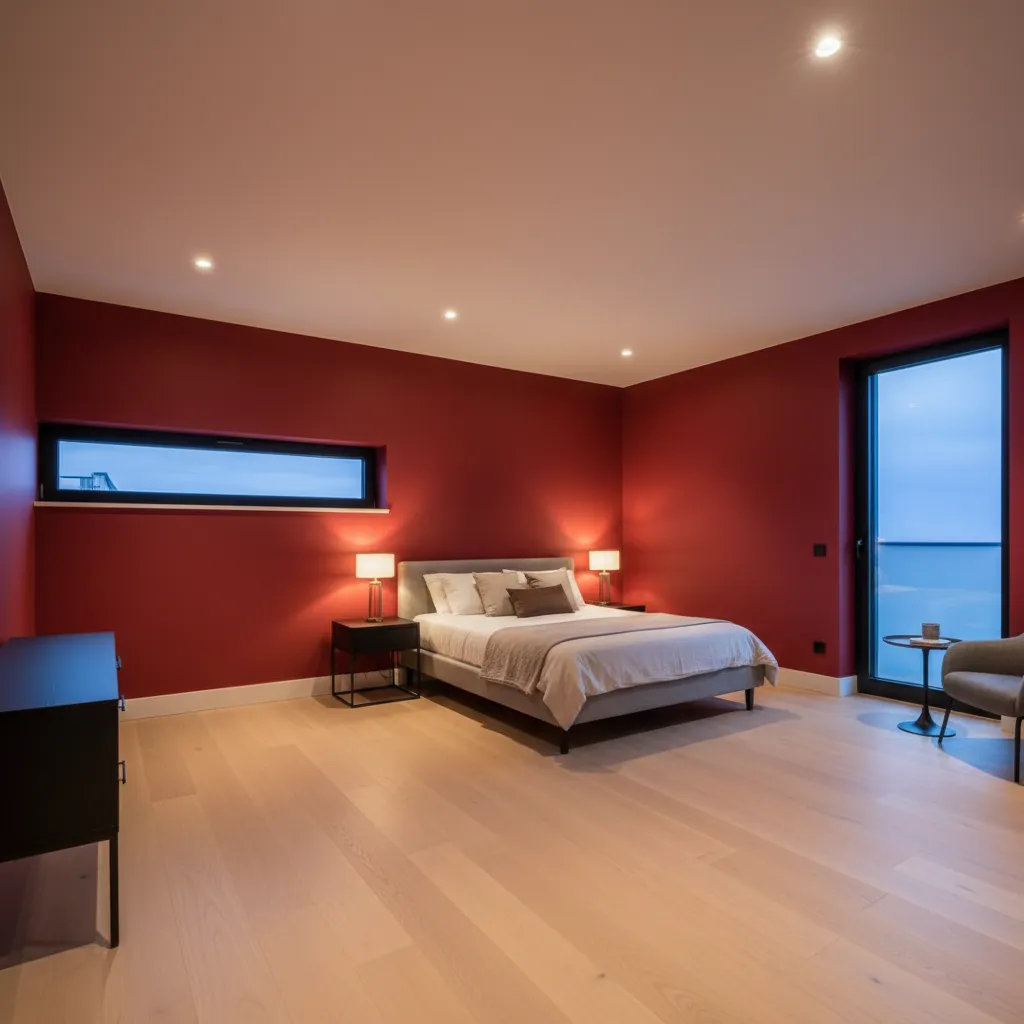
Most Melbourne homeowners dread that strong chemical smell when a room gets painted. But that smell isn't just unpleasant — it's a sign that Volatile Organic Compounds (VOCs) are being released into your home. The good news is that healthier, low-VOC paint options are now more accessible, more affordable, and just as durable as traditional paints.
Low-VOC, Zero-VOC, or Natural? A Simple Guide to Your Paint Choices
Not all eco-friendly paints are the same. Understanding the difference between the three main categories helps you choose the right product for each room in your Melbourne home.
Low-VOC Paint
The new standard for quality interior paints. Low-VOC formulas contain significantly fewer chemicals than traditional options while delivering the same coverage and durability. Suitable for living rooms, hallways, kitchens, and any general interior surface where you want a healthier finish without compromise.
Zero-VOC Paint
Virtually no VOCs in the base formula. Zero-VOC paints are ideal for nurseries, children's bedrooms, and anyone with asthma, allergies, or chemical sensitivities. You can paint and re-occupy a room far sooner than with traditional products — a major practical benefit for Melbourne families.
Natural Paint
Uses ingredients like clay, chalk, or milk protein instead of synthetic binders. Natural paints allow walls to breathe and manage moisture — particularly beneficial for Melbourne's older homes, heritage properties, and Victorian-era buildings where synthetic paints can trap moisture and accelerate damage.
Will Eco-Friendly Paint Last? Durability, Mould & Melbourne's Weather
A common concern is whether low-VOC paints hold up as well as traditional products. The short answer is yes — modern low-VOC and zero-VOC formulas are engineered to match the performance of conventional paints in every measurable way.
Durability has improved dramatically over the past decade. Leading low-VOC products now offer the same washability, scuff resistance, and colour retention as their traditional counterparts. Many premium formulas also include mould inhibitors — a particularly useful feature given Melbourne's humidity and the mould issues common in older properties and south-facing rooms.
- Same coverage rates as traditional paints
- Equal durability and washability in high-traffic areas
- Mould inhibitor formulas available — ideal for bathrooms and Melbourne's wetter months
- Faster re-entry times — rooms can be used sooner after painting
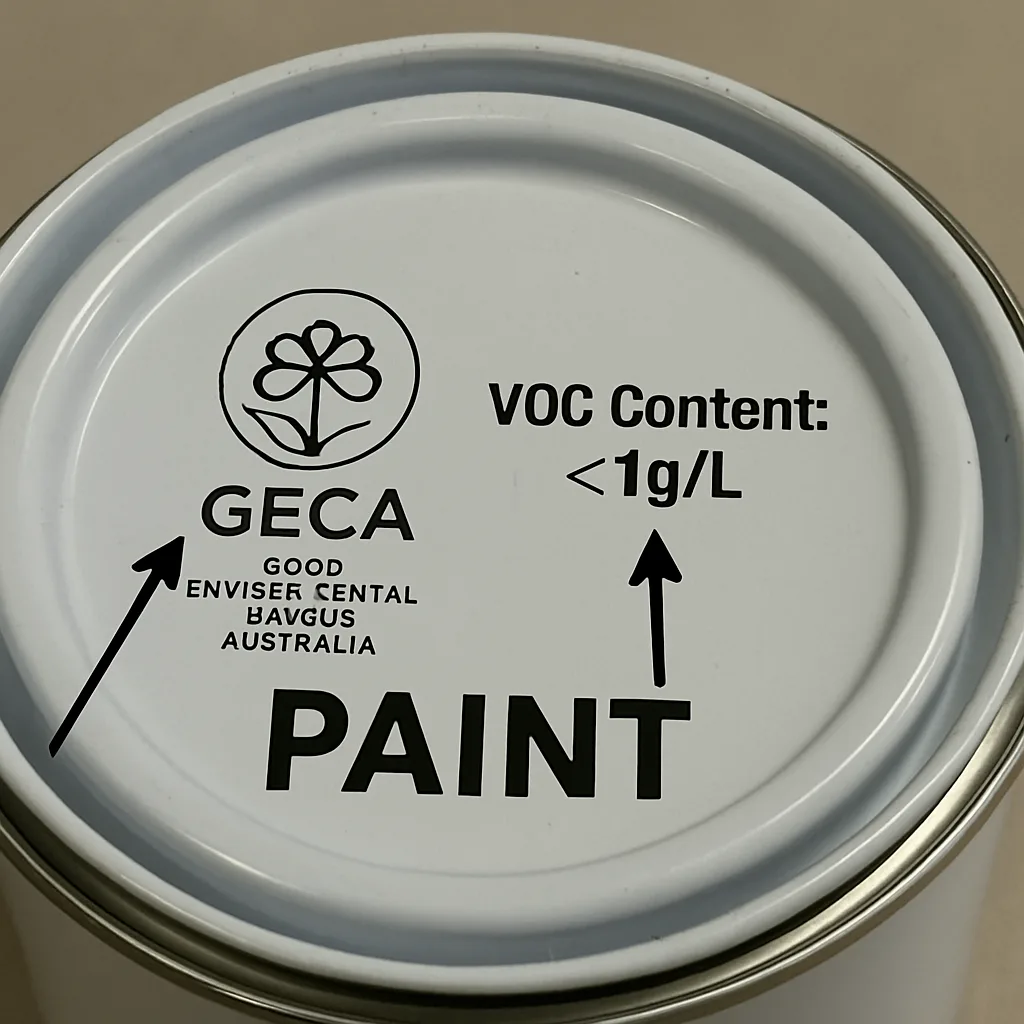
What to Look For on the Can: Your 2-Minute Label Guide
Knowing what to look for on a paint label takes the guesswork out of choosing a genuinely healthy product. Here's what to check before you buy:
- VOC content in g/L: The best low-VOC paints contain less than 5 g/L. Zero-VOC options will show <1 g/L on the label.
- GECA certification: Look for the Good Environmental Choice Australia logo — a green tree inside a blue circle. This is Australia's most recognised ecolabel for paint products.
- Green Star rating: Paints used in Green Star certified buildings must meet strict VOC limits — if a product carries this, it's genuinely low-VOC.
- Ingredients list: Natural paints will list clay, chalk, casein (milk protein), or linseed oil as binders rather than synthetic acrylic or vinyl compounds.
If a paint claims to be "eco-friendly" without any of these certifications or a stated VOC level, treat that claim with scepticism.
Where to Find Eco-Friendly Paint in Melbourne
Low-VOC options from Dulux are available at Bunnings and major hardware chains across Melbourne — making them the most accessible choice for most homeowners. Dulux's low-VOC range covers interior walls, ceilings, trims, and feature walls, so you can complete an entire room with certified healthier products from a single brand.
Natural paints (clay, chalk, and milk protein-based) require a bit more searching. Specialty eco-stores and some independent paint stockists carry these products. While they cost more, the investment pays off in air quality, breathability, and the longevity of older or heritage walls that benefit from a permeable finish.
Is the extra cost worth it? For most Melbourne homeowners, the answer is yes — particularly in bedrooms, children's rooms, and any space where your family spends the most time. The price premium on quality low-VOC products is modest, and the long-term health benefits for your family are significant.
Your Action Plan: Paint Your Melbourne Home Beautifully and Healthily
Ready to make the switch to healthier paint? Follow these four steps:
- Assess your room type — bedrooms and nurseries need zero-VOC; living areas and hallways are fine with low-VOC
- Choose the right category — Zero-VOC for sensitive rooms, Low-VOC for general areas, Natural paint for heritage or older Melbourne homes
- Check the label — look for VOC content in g/L and GECA certification before purchasing
- Paint with confidence — open windows during application, but know that low-VOC products are safe to be around far sooner than traditional paints
The paint you choose affects not just the look of your home — it affects the air your family breathes every day. Choosing a low-VOC or zero-VOC product is one of the simplest upgrades you can make to your home's indoor environment.
At Modernize Solutions, we use Dulux low-VOC products across our residential projects. If you'd like to discuss eco-friendly paint options for your Melbourne home, we're happy to help you choose the right products for every room.