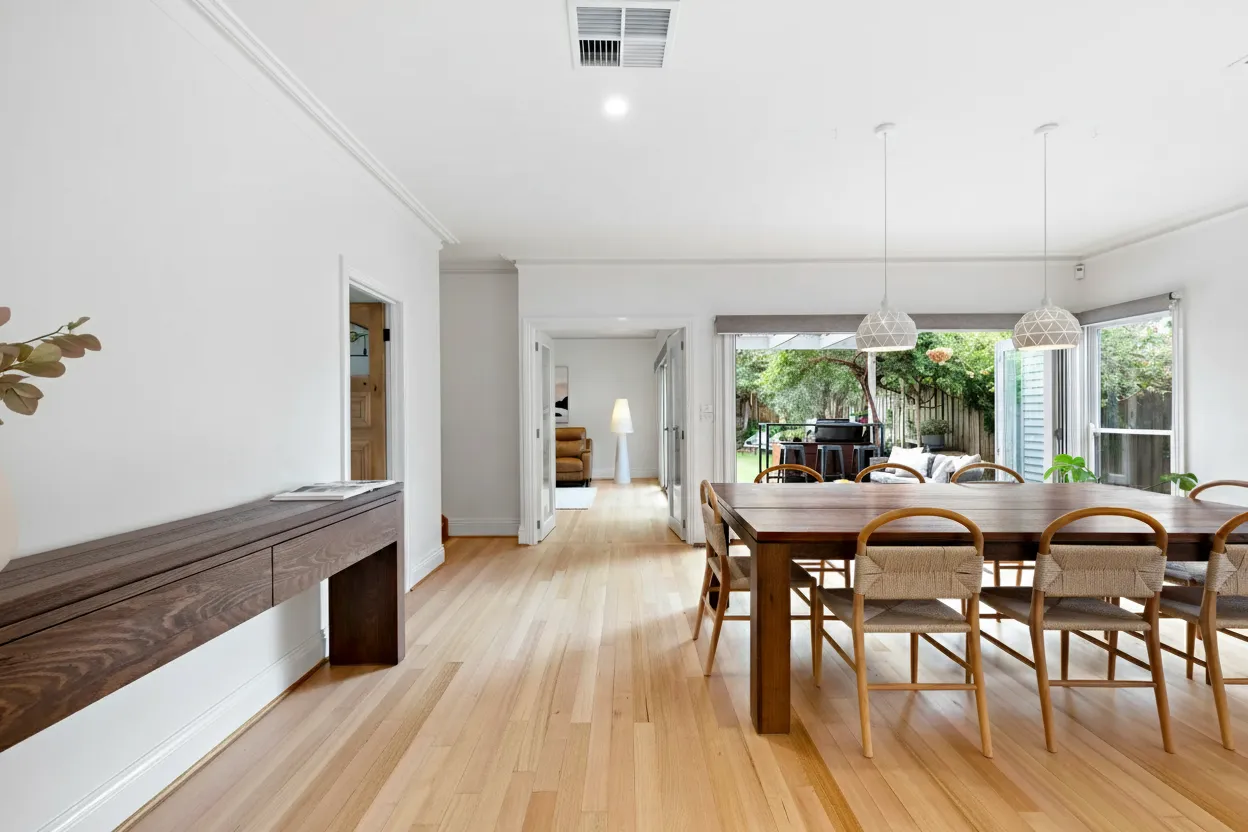
If you are preparing to sell your Melbourne home, a fresh coat of paint is the single most effective renovation you can make before going to market. It is low-cost relative to other upgrades, fast to complete, and consistently delivers a return of two to five times the investment. In Melbourne's competitive auction market, where buyers make snap judgements within seconds of walking through the door, a freshly painted home signals care, quality, and move-in readiness — and that translates directly into higher offers.
Pre-sale painting is not about making your home look brand new. It is about removing the visual objections that cause buyers to mentally reduce their offer price. Scuff marks down a hallway, yellowed ceilings, peeling exterior trim — these are the details that make a buyer think "this place needs work" and adjust their bid accordingly. A strategic repaint eliminates those red flags and lets the true value of your property shine through on auction day.
Does Painting Before Selling Actually Increase Property Value?
Yes — and real estate agents across Melbourne consistently rank fresh paint as the number one affordable renovation for sellers. The reason is simple: buyers perceive freshly painted homes as well-maintained properties. That perception shifts their entire mindset from "what else is wrong here?" to "this home has been looked after."
The numbers support this. A pre-sale painting investment of $3,000 to $8,000 can add $15,000 to $30,000 in perceived value to a property. That is not a guaranteed sale price increase, but it is a well-documented pattern that agents see repeatedly at auction. Freshly painted homes attract more bidders, generate stronger opening bids, and spend less time on the market.
Consider what buyers are comparing your home against. In any given weekend in Melbourne, buyers inspect five to ten properties. The homes that feel fresh, clean, and ready to move into create an emotional response that tired, scuffed properties simply cannot match. Paint is the fastest and most affordable way to trigger that response.
What Real Estate Agents Say
Most experienced agents will tell you that fresh paint and professional cleaning are the two highest-ROI pre-sale investments. Unlike a kitchen renovation that might cost $30,000 and return $40,000, painting typically costs under $10,000 and can shift perceived value by $20,000 or more. The return ratio is unmatched by any other renovation category.
Which Rooms Should You Paint Before Selling?
You do not necessarily need to paint every room in the house. Strategic pre-sale painting focuses on the areas that have the greatest impact on buyer perception. Here is the priority order, ranked by influence on a buyer's impression:
-
Front entrance and hallway This is the very first thing buyers see when they step inside. A clean, freshly painted entrance sets the tone for the entire inspection. Scuffed walls, dirty skirting boards, and marked-up door frames in this area instantly create a negative first impression that colours everything a buyer sees afterward.
-
Living room and open-plan areas Buyers spend the most time in living spaces during an inspection. These are the rooms where they imagine themselves relaxing, entertaining, and spending daily life. Fresh, neutral walls make the space feel larger, brighter, and more inviting — all qualities that drive stronger emotional attachment to a property.
-
Kitchen walls and ceiling Kitchens accumulate grease, steam stains, and discolouration faster than any other room. Buyers scrutinise kitchens heavily because they know a kitchen renovation is expensive. Fresh paint on the walls and ceiling makes even an older kitchen feel clean and functional, reducing the buyer's mental renovation budget.
-
Master bedroom The master bedroom is the second most emotionally important room after the living area. Buyers want to picture themselves unwinding here. Neutral, freshly painted walls create a calm, retreat-like atmosphere that resonates with nearly every buyer demographic.
-
Bathroom walls and ceiling Bathrooms are prone to mould, peeling, and moisture damage. Even minor paint deterioration in a bathroom sends a signal that the home may have moisture problems. A fresh coat of quality bathroom paint — specifically formulated for wet areas — eliminates this concern instantly.
-
Front exterior and front door Street appeal sells houses before buyers even get out of the car. A freshly painted front facade, front door, and visible trim work creates an immediate impression of quality. If the exterior looks polished, buyers walk through the front door already feeling positive about the property.
What Are the Best Paint Colours for Selling a House in Melbourne?
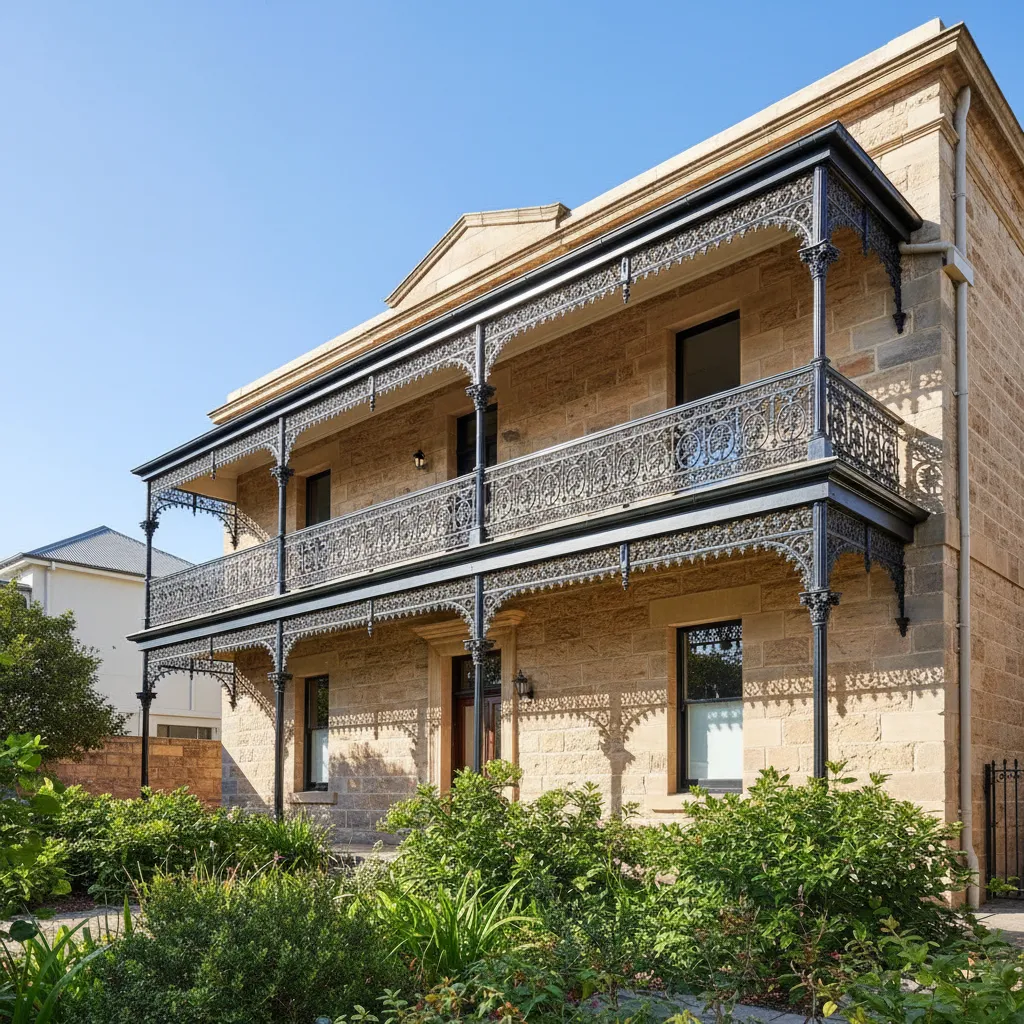
The golden rule of pre-sale colour selection is simple: go neutral. Bold feature walls, dark moody tones, and bright accent colours appeal to personal taste — and personal taste is exactly what you want to remove from the equation. You need buyers to see themselves in the space, not your personality.
The colours that consistently perform best at auction across Melbourne are warm whites and soft neutral tones. These are the Dulux shades that real estate agents and stylists recommend most often:
- Dulux Whisper White — A soft, warm white that flatters both modern and period homes without feeling stark or clinical
- Dulux Natural White — The most popular ceiling and wall colour in Australian real estate styling, with a gentle warmth that photographs beautifully
- Dulux Lexicon Quarter — A clean, contemporary white with a slight cool undertone that works exceptionally well in modern apartments and new builds
The key principle is warmth over starkness. A brilliant white might look clean on a paint chip, but on four walls it can feel cold, sterile, and unwelcoming — especially under the fluorescent lighting common during evening inspections. Warm whites create a sense of comfort and spaciousness that buyers respond to instinctively.
Consistency matters just as much as the colour itself. Using the same shade throughout the main living areas, hallway, and bedrooms creates visual flow — the home feels cohesive, open, and larger than it actually is. Switching colours between rooms breaks this flow and can make a home feel disjointed and smaller.
Should You Paint the Exterior Before Selling?
Street appeal is the first filter in every buyer's decision process. Research consistently shows that buyers form their initial opinion of a property within seven seconds of seeing it from the street. If your exterior paintwork is peeling, chalking, or visibly faded, that seven-second judgement is working against you before the front door even opens.
The decision to repaint the exterior depends on its current condition:
- If peeling, cracking, or chalking — A full exterior repaint is essential. Visible paint failure signals neglect and makes buyers worry about hidden structural issues like timber rot or water damage.
- If faded but structurally sound — A targeted approach works well. Repaint the front facade, front door, window frames, and any visible trim. This delivers 80% of the street appeal impact at a fraction of the full exterior cost.
- If in good condition — A professional pressure wash and minor touch-ups to any chips or marks may be all you need. Clean surfaces look freshly painted even when they are not.
When choosing exterior colours, the same neutral principle applies. Selecting the right exterior paint means considering your roof colour, any fixed brickwork or stone, and the general character of your street. A colour that clashes with the neighbourhood can hurt rather than help — even if it looks great in isolation.
How Much Does Pre-Sale Painting Cost in Melbourne?
Pre-sale painting costs in Melbourne vary based on the size of the home, the number of rooms being painted, the condition of existing surfaces, and whether interior, exterior, or both are included. Here are the typical price ranges you can expect from a professional residential painting service:
The wide range in each category reflects the enormous variation in Melbourne homes. A three-bedroom weatherboard cottage with straightforward access will sit at the lower end. A large double-storey home with high ceilings, extensive preparation needs, and scaffolding requirements will trend toward the upper end. Understanding the full cost breakdown helps you budget accurately and compare quotes fairly.
Get Multiple Quotes
Always obtain at least two to three written, itemised quotes before committing to a pre-sale painter. A detailed quote should specify the number of coats, the paint brand and product being used, the preparation work included, and a clear timeline. Avoid quotes that lump everything into a single line item — you cannot compare what you cannot see broken down.
DIY vs Professional Painting Before Selling — Which Is Better?
When you are painting your own home to live in, a DIY approach can be perfectly reasonable. But pre-sale painting is different — you are painting to meet the standards of critical, comparison-shopping buyers and their eagle-eyed building inspectors. The stakes are higher, and the margin for error is much smaller.
Professional painters deliver three critical advantages over DIY when selling:
- Speed — A professional team can complete a full interior repaint in three to five days. The same job might take a DIY painter two to three weekends, and that is time you cannot afford when coordinating with an agent's campaign timeline.
- Finish quality — Buyers notice roller marks, drip lines, uneven edges, and paint on light switches. These details register subconsciously as "cheap" and "rushed." Professional painters deliver clean cut-in lines, uniform coverage, and flawless surfaces that read as high quality.
- Preparation — The difference between a two-year paint job and a ten-year paint job is preparation. Professionals fill every nail hole, sand every surface, and apply primer where needed. This level of preparation is tedious, time-consuming work that DIY painters frequently skip — and the result shows.
The cost difference between DIY and professional is also smaller than most people assume. Once you factor in paint, rollers, brushes, drop sheets, tape, gap filler, sandpaper, and your own time at a reasonable hourly rate, the gap narrows considerably. For a professional interior painting service, the investment pays for itself in time saved and quality delivered.
How Long Before Listing Should You Paint?
The ideal window for pre-sale painting is two to four weeks before your property photography session. This timing gives you several important advantages:
- Full curing time — While modern paints are touch-dry within hours, they take seven to fourteen days to fully cure and harden. A fully cured surface is more resistant to marks, scuffs, and damage during the open inspection period.
- Touch-up window — Having a week or two after painting and before photography allows you to identify and fix any minor issues — a small touch-up here, a spot that needs a second pass there. This buffer eliminates last-minute stress.
- Paint smell dissipation — Even low-VOC paints have a faint smell for several days after application. Allowing two weeks ensures your home smells clean and neutral for the photographer and for your first open inspection.
- Coordination with other trades — Pre-sale preparation often involves cleaning, carpet steam cleaning, minor repairs, and styling. Painting should happen before cleaning and styling but after any plastering or repair work. The two-to-four-week window lets you sequence trades properly.
Talk to your real estate agent early about their campaign timeline. Most agents plan photography two to three weeks before the first open inspection. Working backward from that date, your painters should be finishing up four to five weeks before your target auction day.
Coordinate With Your Agent
The best results come from early communication. Tell your agent you are planning to paint before listing, and ask them which areas they believe will have the greatest impact on your specific property. Experienced agents know exactly what buyers in your suburb are looking for and can help you prioritise your painting budget for maximum return.
How Modernize Solutions Helps Melbourne Sellers
At Modernize Solutions, pre-sale painting is one of our most common project types. We understand the unique pressures of selling — tight timelines, agent deadlines, photography bookings, and the need for a flawless finish that holds up through weeks of open inspections and private viewings.
Our pre-sale painting service is built around the seller's timeline. We work directly with your real estate agent to schedule the job so that painting, cleaning, and styling flow seamlessly without delays. Our standard turnaround for a full interior repaint is three to five working days — fast enough to fit into even the tightest campaign schedules.
We use Dulux premium paints on every pre-sale project, including Dulux Wash & Wear for interior walls and Dulux Weathershield for any exterior work. These are the same products that professional stylists and property presenters specify because they deliver consistently beautiful results that look stunning in photographs and in person.
Every project begins with a free, detailed written quote. We assess the condition of your surfaces, discuss colour options, confirm the scope of work with you and your agent, and provide a clear price with no hidden extras. If you are preparing to sell your Melbourne home and want to maximise your sale price with strategic painting, get in touch today.