I am going to be honest. For some jobs, DIY painting makes sense. For most, it does not. After 35 years of painting Melbourne homes — and fixing a fair number of DIY attempts along the way — I have a clear view of where the line sits. This is not a sales pitch. If you can save money doing it yourself and get a result you are happy with, you should. But the decision needs to be based on real numbers and realistic expectations, not a YouTube video that makes it look easy.
Here is how to decide whether to paint it yourself or call a professional.
The Real Cost Comparison
This is the question everyone starts with, and it is where the biggest misconceptions live. DIY painting is cheaper in materials, but most people forget to account for the tools they need to buy and the value of their own time. A professional quote includes everything — labour, materials, equipment, preparation, and clean-up.
The table below compares the real cost of painting a standard 3-bedroom house interior (walls, ceilings, and trim throughout) in Melbourne in 2026.
| Cost Item | DIY | Professional |
|---|---|---|
| Paint (premium, e.g. Dulux Wash&Wear) | $800–$1,200 | Included |
| Primer | $150–$250 | Included |
| Brushes, rollers, trays, tape, drop sheets | $250–$400 | Included |
| Filler, sandpaper, sugar soap, clean-up | $80–$150 | Included |
| Ladder / step platform | $120–$300 | Included |
| Your time (60–100 hrs at $40/hr) | $2,400–$4,000 | — |
| Total | $3,800–$6,300 | $8,000–$15,000 |
Yes, professional painting costs more — but the gap shrinks significantly when you value your own time at even a modest hourly rate. If you earn $60/hr in your day job, the DIY cost climbs to $5,200–$8,300. And the professional result is better. The real question is not just “how much will I save?” but “how much is my time worth, and will I be happy with what I produce?”
For detailed professional pricing, see our house painting cost guide for Melbourne.
The Time Factor Nobody Talks About
This is where the DIY vs professional comparison gets honest. A professional painting crew of 2–3 painters will complete a full 3-bedroom interior in 3–5 working days. You go to work Monday, you come home Friday, it is done.
A first-time DIY painter working weekends only should realistically allow 6–10 weekends. That is 2–3 months of disrupted living — furniture shifted, drop sheets down, rooms out of commission, paint fumes, and the constant mental load of an unfinished project hanging over you.
Why the time difference is so large:
- Professional painters cut in a room in 20–30 minutes. A beginner takes 1–2 hours.
- Professionals roll a ceiling in one pass. A beginner does three passes and still sees lines.
- Preparation — filling, sanding, priming — is methodical and fast for someone who does it every day. For a first-timer, it takes twice as long and still gets missed in spots.
- Professionals do not need to stop and watch a tutorial before each step.
The time factor is the most underestimated part of DIY painting. I have had clients call me mid-project, three weekends in, asking us to finish the job because they did not realise how long it would take. For a full breakdown of professional timeframes, see our guide to how long it takes to paint a house in Melbourne.
The Quality Difference: What You Actually See
Walk into a room painted by a professional and a room painted by a first-time DIYer, and you will see the difference within five seconds. It is not one thing — it is everything adding up.
Preparation is the single biggest difference
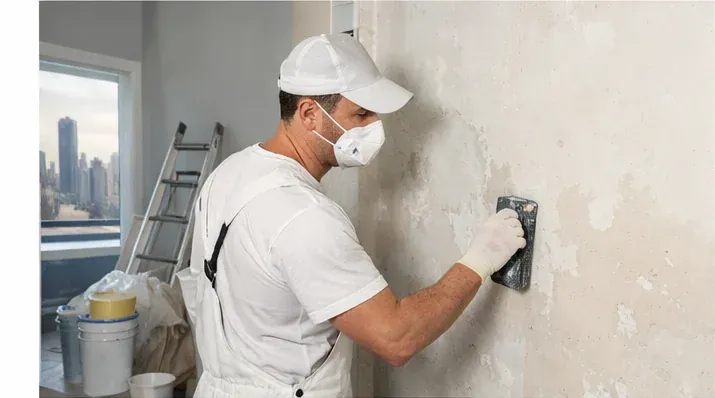
A professional painter spends 60–70% of their time on preparation before a roller touches the wall. That means filling every nail hole and crack, sanding the filler flush, spot-priming bare patches and repairs, sanding gloss surfaces for adhesion, cleaning dust and cobwebs, and masking everything that should not be painted. Most DIY painters spend about 10% of their time on preparation — and it shows in the finished result. Read our wall preparation guide if you want to do this step properly.
Cutting in
The clean, sharp line where wall meets ceiling, where wall meets trim, where colour meets colour — that is cutting in, and it is a skill that takes years to develop. Professional painters use an angled brush loaded to the right level and cut a straight line freehand, quickly and consistently. Tape helps, but even tape requires skill — it needs to be applied perfectly straight, pressed firmly to prevent bleed, and removed at the right time. Poor cutting in is the most visible flaw in amateur paint work.
Rolling technique
There is a right way to load a roller, a right amount of pressure, and a right pattern to work the paint onto the wall. Using the wrong roller nap for your surface produces visible texture. Overloading creates drips and orange-peel. Underloading creates dry patches and roller tracks. Professionals maintain a wet edge across the full wall so there are no lap marks — this is harder than it sounds in a large room.
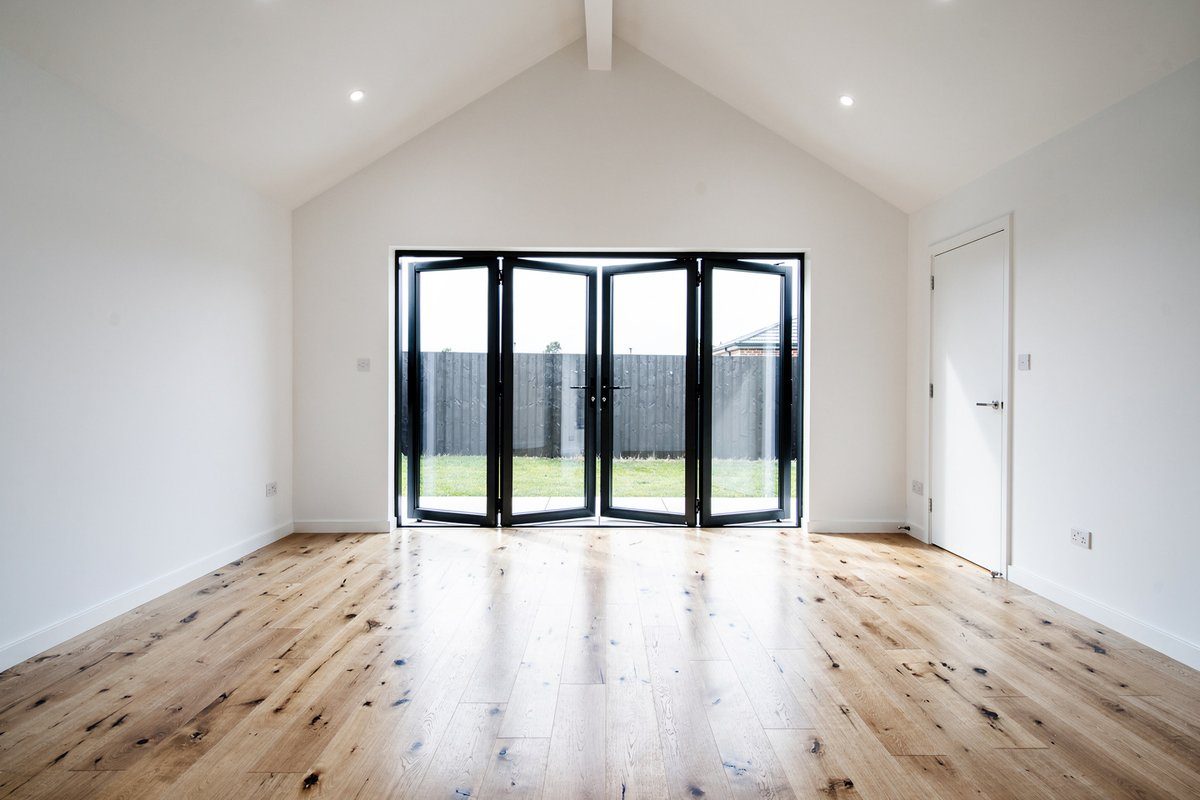
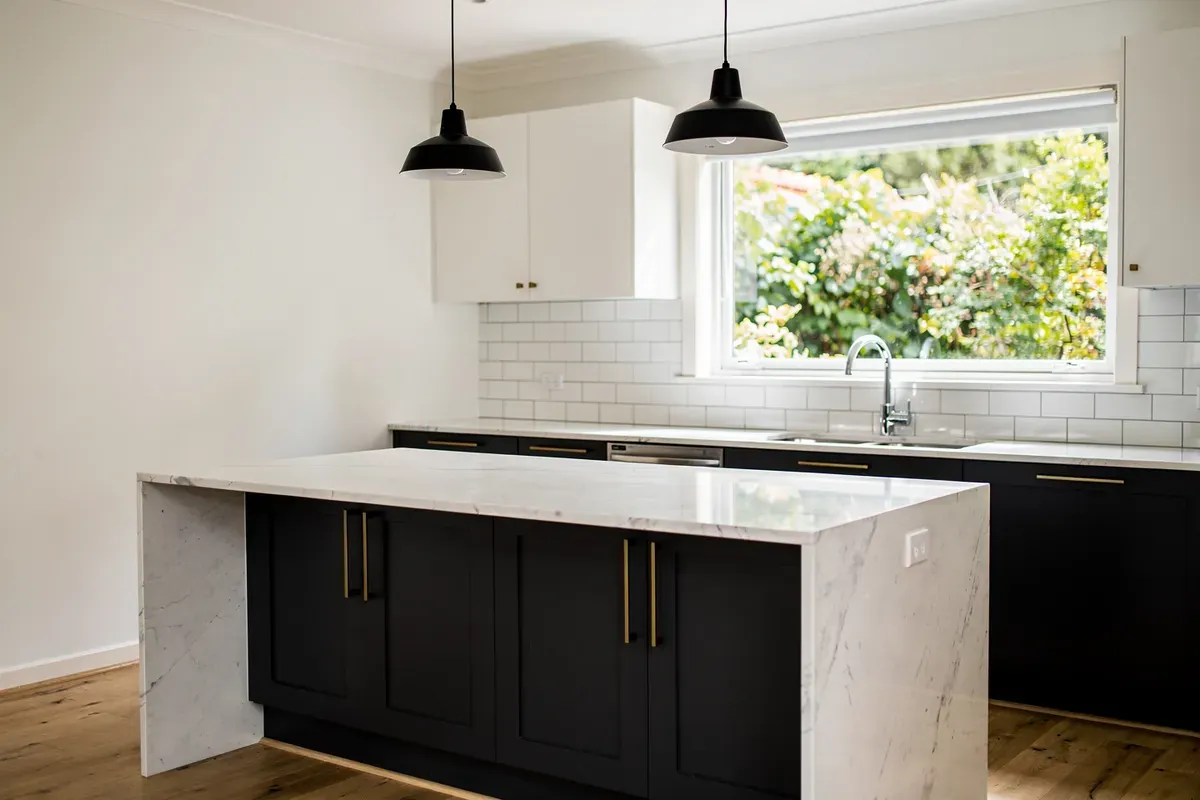
A professionally painted living room. The difference is in the details — consistent coverage, clean lines at the ceiling junction, and no visible roller marks or lap lines.
The 5 Most Expensive DIY Mistakes
These are the mistakes I see most often when clients call us to fix a DIY job that did not go to plan. Every one of them costs more to correct than it would have cost to do it right the first time.
1. Skipping surface preparation
Cost to fix: $200–$500 extra per room. Paint applied over dusty, greasy, or unsanded surfaces will peel, bubble, or flake within months. The entire surface has to be sanded back, cleaned, primed, and repainted. This is the most common and most expensive DIY mistake.
2. Using cheap paint
Cost to fix: 1–2 extra coats per surface. Budget paint from Bunnings at $30–$40 per 4L has lower resin and pigment content than premium products like Dulux Wash&Wear. It covers poorly, requires 3–4 coats instead of 2, and does not wash or wear as well. You spend more in time and paint than you save on the cheaper product.
3. Bad cutting in and paint on ceilings or trim
Cost to fix: $150–$300 per room. Once paint bleeds under tape or a shaky hand puts wall colour on the ceiling, a professional has to carefully repaint the affected ceiling or trim edges. In some cases, the entire ceiling needs a fresh coat to blend the touch-ups.
4. Painting in wrong conditions
Cost to fix: full repaint. Melbourne’s weather is variable — painting when it is too cold (below 10°C), too hot (above 35°C), or too humid causes adhesion failure, slow curing, and surface defects. If the paint has not bonded to the surface, it has to come off and the job starts again. WorkSafe Victoria also advises against working on ladders in windy conditions for exterior work.
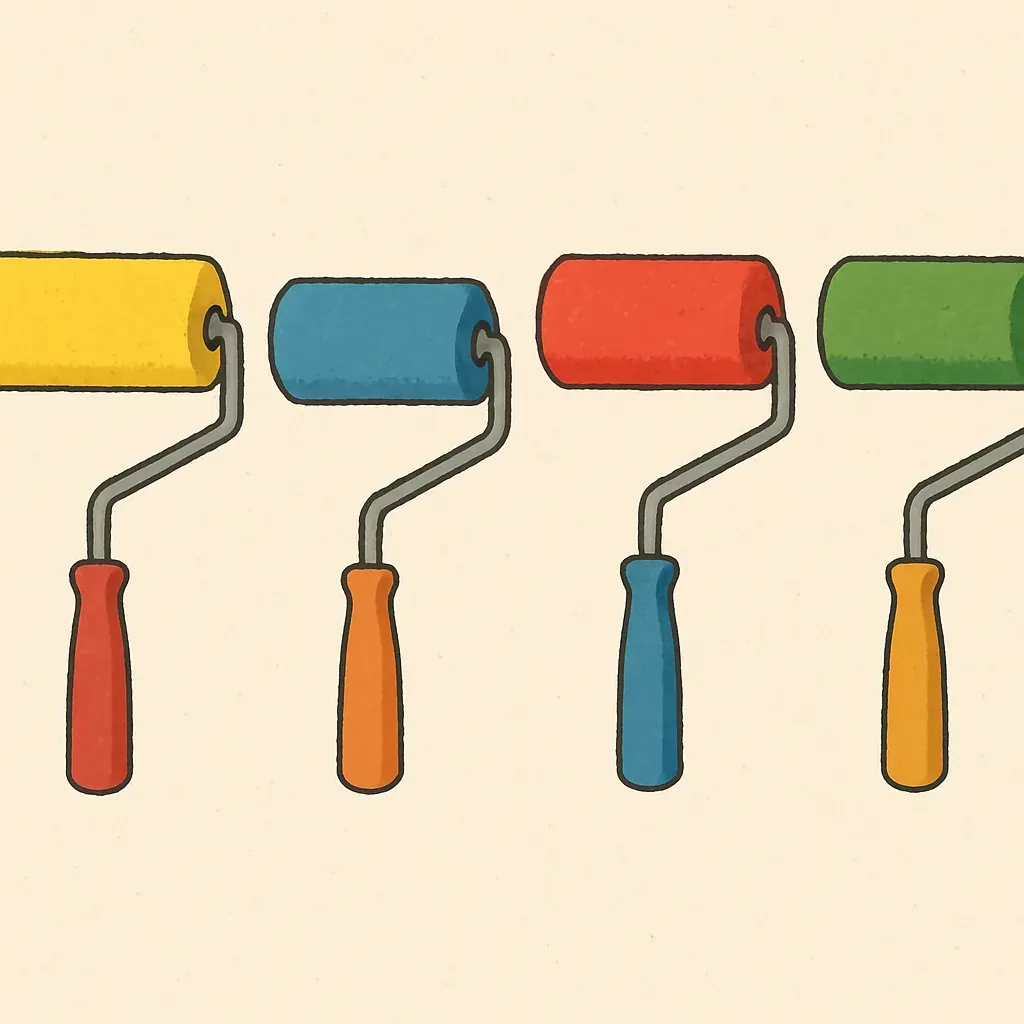
5. Wrong roller nap for the surface
Cost to fix: sanding and recoating. A long-nap roller on a smooth wall leaves heavy stipple texture that looks like orange peel. A short-nap roller on a textured surface misses the valleys and produces patchy coverage. Choosing the right roller is straightforward once you know the rules — see our paint roller guide for the full breakdown.
Fixing a botched DIY job professionally costs 20–30% more than doing it right the first time because the painter has to sand back, correct, and then repaint over the existing work.
When DIY Actually Makes Sense
I am not going to pretend that every painting job needs a professional. Here are the situations where doing it yourself is a reasonable choice:
- A single accent wall in a bedroom. One wall, one colour, minimal cutting in. Low risk, high satisfaction. A weekend project that most people can handle well.
- A small bedroom touch-up. If the existing paint is in good condition and you are recoating in the same colour, a single room is manageable. Buy quality paint, use a decent roller, and take your time with preparation.
- A garden fence or back deck. Exterior timber staining and fence painting is forgiving work. The surface does not need to be perfect, and minor imperfections are not visible at a distance. Grab a good brush and a tin of Dulux Weathershield or exterior timber stain.
- A garage or shed interior. Low expectations, no visitors, no stress. Practice your technique here before touching the living room.
- Touch-ups between full repaints. Scuff marks, small nail holes, and minor wall damage can be spot-fixed with leftover paint and a small brush.
The common thread: small scope, low stakes, and surfaces where imperfections are less visible or less important.
When You Should Always Hire a Professional
Some jobs are not worth the risk, the time, or the frustration of doing yourself — even if you are handy.
- Full house repaints (interior or exterior). The scale makes DIY impractical for most people. A professional crew finishes in days, not months.
- Exterior painting. Working at height on ladders is dangerous. Weather timing is critical. Surface preparation on weatherboard, render, or timber is specialised work. Our weatherboard repainting guide explains why.
- Two-storey homes. Scaffolding, height safety, and the physical demands of painting at elevation put this firmly in professional territory. WorkSafe Victoria has strict requirements for working at height.
- Ceilings. Ceilings are the hardest surface to paint well. Light rakes across them and exposes every imperfection. Even experienced DIYers struggle with ceilings — see our ceiling painting guide for why.
- Heritage and period homes. Ornate cornices, ceiling roses, decorative timber — these require careful brush work and often lead paint management. Our heritage house painting guide covers what is involved.
- Pre-sale painting. If you are painting to sell your home, the finish needs to be flawless. Buyers notice poor paint work, and it affects their perception of the entire property. See our pre-sale painting guide.
- Colour changes from dark to light. These require extra coats, tinted primers, and careful technique to avoid bleed-through.
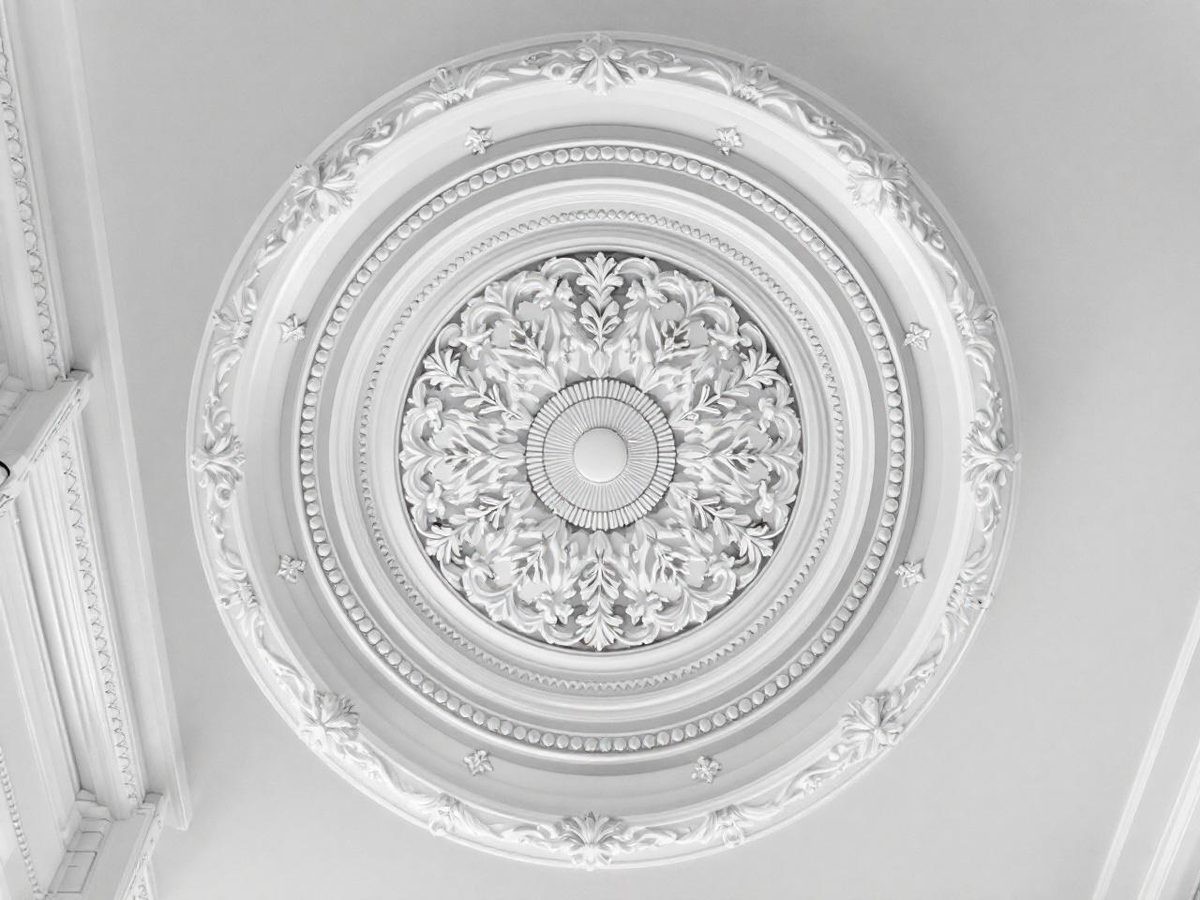
Ceiling detail around an ornate ceiling rose. This level of precision around heritage plasterwork is where professional skill is most visible — and most valuable.
The Hidden Costs of DIY
The materials list is the obvious cost. Here are the costs that most people do not factor in until they are already committed:
Tools you buy once and never use again. A quality ladder ($150–$300), extension poles ($40–$60), multiple roller frames ($15–$25 each), specialty brushes ($20–$40 each). Most of these end up in the garage after one use. Professional painters amortise their equipment over thousands of jobs — you are absorbing the full cost for one project.
Wasted paint. First-time painters consistently buy too much of some colours and not enough of others. An opened 4L tin of Dulux Wash&Wear at $70–$90 cannot be returned. Leftover paint that sits in the shed for two years and goes off is money wasted.
Time spent learning. YouTube tutorials are helpful, but they do not replace experience. The hours spent watching videos, reading product data sheets, and figuring out which primer to use add up. A professional already knows.
The second trip to Bunnings. It is a running joke among DIYers for a reason. You will forget something. You will run out of tape. You will need a different roller nap. Each trip is an hour of your weekend gone. Bunnings has everything you need — you just will not know what you need until you are mid-job.
Physical cost. A full day of painting is hard physical work — overhead ceiling work especially. Sore shoulders, aching back, stiff knees from crouching to cut in along skirting boards. Professional painters are conditioned for it. If you work a desk job Monday to Friday, a full weekend of painting will be felt all week.
The cost of living in a construction zone. Furniture moved, rooms unusable, drop sheets everywhere, paint fumes. For a professional job, this lasts 3–5 days. For a weekend DIY project, it lasts 2–3 months.
How Modernize Solutions Compares
This is not a hard sell — just the facts about what professional pricing gets you compared to doing it yourself.
What is included in a Modernize Solutions quote:
- Full surface preparation — filling, sanding, priming, crack repair, cleaning. This is where 60–70% of our labour goes and it is the step most DIYers skip.
- Premium Dulux paint systems — we use Dulux Wash&Wear, Aquanamel, Ceiling White, and Weathershield as standard. Not builder-grade. Not budget brands.
- Two coats minimum on all surfaces — walls, ceilings, trim. No single-coat shortcuts.
- Complete protection — floors, furniture, fittings all masked and protected. Your home is left clean.
- $20M public liability insurance — fully covered, certificate available on request.
- Fixed-price written quote — the price you are quoted is the price you pay. No surprises.
- 35+ years of experience — owner-operated since 1987, founded in Footscray.
- Rated 4.8 stars on Google (154 reviews) — verified results from real Melbourne homeowners.
Our work is backed by a written workmanship warranty on every project.
The honest comparison: a professional job costs more upfront than DIY materials. But when you factor in your time, the tools you will buy and never use again, the risk of mistakes that cost more to fix than to do right, and the quality of the finished result — the gap is much smaller than most people assume. For a lot of homeowners, it is not a gap at all.
If you want a quote, call 0451 040 396 or request a free quote online. We inspect every property in person before quoting — no phone estimates, no per-square-metre guesses.
For more on what to expect from the quoting process, see our guide to how to get a painting quote in Melbourne. For an overview of all our painting services, visit our services page.
Frequently Asked Questions
How long would it take me to paint a 3 bedroom house interior myself on weekends vs how long a professional painter would take?
A professional crew of 2–3 painters will complete a full 3-bedroom interior in 3–5 working days including preparation, two coats on all walls and ceilings, and enamel on trim. A first-time DIY painter working weekends only should realistically allow 6–10 weekends — that is 2–3 months of disrupted living. Professional painters are faster because they have commercial-grade equipment, established techniques for cutting in and rolling, and they do not need to learn as they go. The time difference is the most underestimated factor in the DIY vs professional decision.
What tools and materials do I need to paint a room properly and what’s the real total cost of DIY including everything?
The real cost of DIY painting a single room is $300–$500 in materials and tools. For a full 3-bedroom interior, expect $1,500–$3,000. This includes: premium paint ($70–$90 per 4L tin, 8–12 tins for a 3-bed home), rollers and roller covers ($15–$25 each, multiple needed), quality brushes ($20–$40 each), painter’s tape ($8–$12 per roll, 6–10 rolls), drop sheets ($15–$30 each), sandpaper and sanding block, filler and filling knife, primer ($60–$80 per 4L), paint trays, extension pole, ladder, and clean-up supplies. Most DIY painters underestimate by 40–50% because they forget tools, primer, and preparation materials.
What are the most common mistakes DIY painters make that end up costing more to fix professionally?
The five most expensive DIY mistakes are: skipping surface preparation entirely (no sanding, filling, or priming), using cheap paint that requires 3–4 coats instead of 2, not cutting in properly resulting in paint on ceilings and trim, painting in the wrong conditions (too hot, too cold, or too humid) causing adhesion failure, and using the wrong roller nap for the surface. The most common callback I see is patchy coverage from insufficient coats and visible roller lines from poor technique. Fixing a botched DIY job professionally costs 20–30% more than doing it right the first time because the painter has to sand back and correct the existing work.
Is painting ceilings something I can realistically do myself or should I always hire a professional for that?
Ceilings are the hardest surface to paint well. Even at standard 2.7m height, working overhead is physically exhausting and technically demanding — gravity works against you, drips are constant, and every imperfection is visible because light rakes across the surface. Professional painters use specialised ceiling rollers, extension poles, and flat ceiling-specific paint like Dulux Ceiling White that is formulated to minimise lap marks. If you are painting a whole house yourself, ceilings are the one area where hiring a professional for just that scope can save you significant frustration and deliver a noticeably better result.
I painted a room myself and it looks patchy with visible roller lines — can a professional fix it and will it cost more than hiring them originally?
Yes, a professional can fix it, but it will cost more than a fresh start. Fixing a patchy DIY paint job requires sanding the entire surface to remove roller marks and texture inconsistencies, spot-priming any areas where the paint has not adhered properly, and then applying two fresh coats. This is more labour-intensive than painting a properly prepared surface from scratch. Expect to pay 20–30% more for correction work compared to a standard repaint. For a single room, that is approximately $800–$1,200 to fix versus $650–$950 for a standard professional job.
Related Service: Interior Painting
Transform your living spaces with expert interior painting and premium Dulux finishes.
Learn more about our Interior Painting service →
Modernize Solutions
Melbourne's most experienced residential painters since 1987.