This guide covers everything Melbourne homeowners need to know about painting the inside of a house — from costs and colour selection through to preparation, timelines, and aftercare. Whether you are refreshing a single room or repainting an entire home, every section gives you the specific information you need to make confident decisions and get the best possible result.
We have written this as Melbourne painters with 35+ years of experience. The costs, products, and timelines are based on real Melbourne projects — not national averages or generic advice. If a question is covered in more detail in one of our specialist guides, we link directly to it so you can go deeper on any topic.
Quick answer
A full interior repaint of a 3 bedroom Melbourne home costs $8,000–$15,000, takes 3–5 days with a 2-person crew, and lasts 7–10 years when done properly with premium paint. Preparation is 60–70% of the job. The single biggest factor in a lasting result is surface preparation — not the paint itself.
Room-by-Room Cost Guide
Interior painting costs in Melbourne vary by room type, scope, and wall condition. The table below shows 2026 rates for professional painters — labour and preparation included, paint materials additional unless specified in your quote. All prices assume standard 2.4m ceiling heights and walls in reasonable condition. For a more detailed breakdown, see our full cost to paint a room guide.
| Room Type | Walls Only | Full Room (walls, ceiling & trim) |
|---|---|---|
| Standard bedroom | $350–$500 | $650–$950 |
| Living room | $500–$750 | $800–$1,200 |
| Kitchen | $400–$600 | $500–$900 |
| Bathroom | $350–$500 | $500–$900 |
| Full 3-bed interior | $8,000–$15,000 | |
| Full 4-bed interior + enamel on all trim | $12,000–$20,000 | |
What Affects the Price
Six factors push interior painting costs up or down:
- Wall condition — Cracked, patched, or water-damaged walls need more preparation, which is the most time-intensive part of any paint job. Walls in poor condition can add 30–50% to the cost of a room.
- Ceiling height — Standard 2.4m ceilings are straightforward. Heritage homes and modern builds with 3m+ ceilings require extension poles and scaffolding, adding time and cost.
- Colour change — Going from a dark colour to light (or vice versa) often requires a tinted primer plus two topcoats — effectively three coats instead of two.
- Trim and enamel work — Doors, skirting boards, and architraves painted in enamel take careful, slow work. Budget $80–$200 per door and $20–$40 per linear metre of skirting.
- Number of rooms — Multi-room jobs are proportionally cheaper per room because setup costs are spread across the project. Booking your full interior as one job saves 15–25% compared to individual room bookings.
- Access — Apartments above ground floor, narrow staircases, and heavily furnished rooms all add time.
For jobs over $10,000, your painter should be registered with the Victorian Building Authority (VBA). Confirm registration before signing a contract.
Choosing the Right Paint Product
The paint you choose determines how the finish looks on day one, how it performs over the next decade, and how much it costs per coat to apply. Here is what we use on Melbourne interiors and why.
Interior walls: Dulux Wash&Wear
Dulux Wash&Wear is the industry standard for interior walls in Australian homes. It offers excellent coverage, durability, and washability — meaning you can wipe down marks and scuffs without damaging the finish. It is available in matt, low sheen, and semi-gloss, and the full Dulux colour range. A 4L tin costs $60–$90 depending on the finish and colour base.
Ceilings: Dulux Ceiling White
Dulux Ceiling White is a flat white formulated specifically for ceilings. It has an ultra-flat finish that minimises light reflection and hides minor imperfections in older ceiling surfaces. It applies easily with a roller and provides a clean, even result without the lap marks that general wall paints can leave on large horizontal surfaces. See our ceiling painting guide for more detail.
Trim, doors, and skirting: Enamel
Doors, architraves, skirting boards, and window frames require enamel paint — a harder, more durable finish that withstands knocks, scuffs, and regular cleaning. Water-based acrylic enamels have largely replaced oil-based products for interior trim. They dry faster, have lower odour, and do not yellow over time the way traditional oil-based enamels do. See our door painting guide for the full process.
Heritage homes: Dulux Heritage
Older Melbourne homes — Edwardian, Victorian, and Federation properties — often suit the Dulux Heritage colour range, which includes period-appropriate colours developed specifically for Australian heritage architecture. These paints are available in the same Wash&Wear and enamel systems.
Alternative: Haymes Paint
Haymes is an Australian-owned paint manufacturer based in Ballarat that produces excellent interior paints. Haymes Expressions is a strong alternative to Dulux Wash&Wear, particularly if you prefer supporting a Victorian manufacturer. For a detailed comparison, see our Dulux vs Haymes paint guide.
Paint Finishes Explained
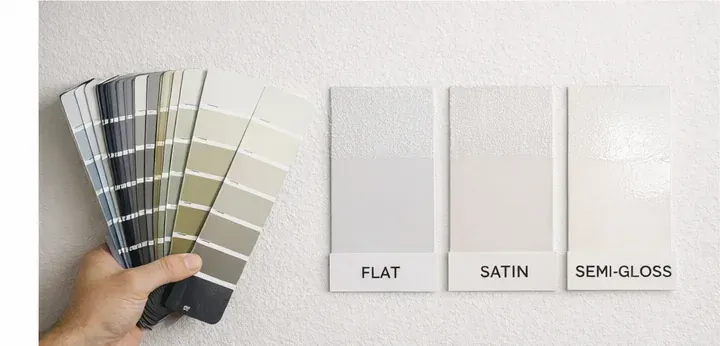
The finish (also called sheen level) affects how the walls look, how easy they are to clean, and how much surface imperfection is visible. For a deeper dive, read our full paint finish guide.
Matt — Best for ceilings, formal living rooms, bedrooms in good condition, and heritage homes. Absorbs light, hides minor imperfections, and creates a soft look. Harder to wipe clean — marks may require touch-up paint rather than a damp cloth.
Low sheen — Best for living rooms, hallways, children’s rooms, kitchens, laundries, and any high-traffic area. The most versatile interior finish. Enough reflectivity to allow regular cleaning but not so much that it highlights every bump and patch. For most Melbourne homes, low sheen throughout is the safest choice.
Satin — Best for bathrooms, kitchens (particularly splashback areas), and surfaces that need frequent wiping. Smooth, slightly lustrous appearance with excellent washability. Reveals more surface imperfection than low sheen, so wall preparation must be thorough.
Semi-gloss and gloss — Best for trim, doors, skirting boards, architraves, and window frames. Hard, smooth, and easy to clean. Not used on broad wall surfaces because they amplify every imperfection.
Colour Selection for Melbourne Homes
Choosing the right colour is the decision most homeowners agonise over — and the one most likely to cause regret if done without proper testing. For the full methodology, see our colour selection guide.
Trending colours in Melbourne (2026)
Melbourne interiors in 2026 are moving firmly toward warmth. The cool greys that dominated the 2010s have given way to:
- Warm whites — Dulux Lexicon Quarter remains the most popular white across Melbourne. It reads as bright and clean without the clinical coldness of a true white.
- Greige — The grey-beige family continues to be the dominant neutral for open-plan living areas. Warm, versatile, and forgiving across different light conditions.
- Earthy greens — Olive, sage, and eucalyptus greens are the most popular feature wall and study colours. They pair naturally with Melbourne’s garden-facing homes.
- Warm clay and terracotta accents — Muted, earthy accent tones that work as feature walls or in dining rooms and entries.
- Heritage palettes — Period homes in inner Melbourne are returning to historically appropriate schemes from the Dulux Heritage range.
How Melbourne light affects colour
Melbourne’s southern hemisphere position means the sun travels across the northern sky. North-facing rooms receive strong, warm afternoon light that intensifies and saturates colour. South-facing rooms receive cooler, indirect light that can make warm tones appear muted and cool tones appear stark. East-facing rooms get warm morning light and cooler afternoon tones. West-facing rooms get the reverse.
This means the same colour reads differently in every room of your house. Always test at least three colour options per room, painted directly onto the wall as A4-sized swatches, and observe them across morning, midday, and evening light before committing.
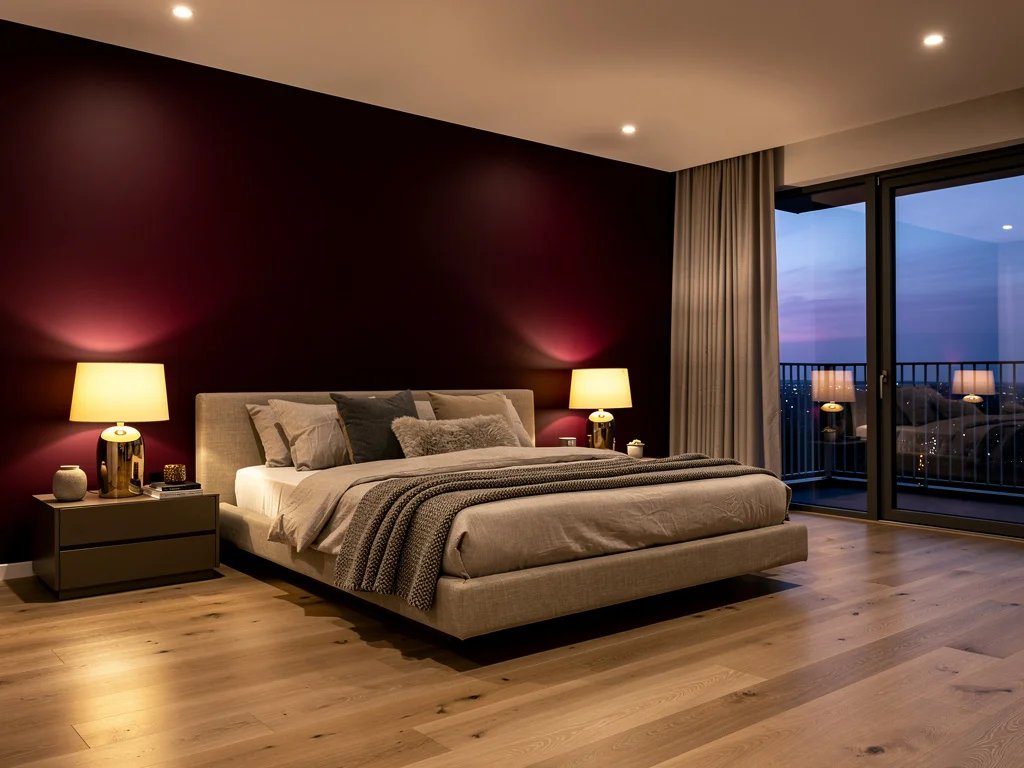
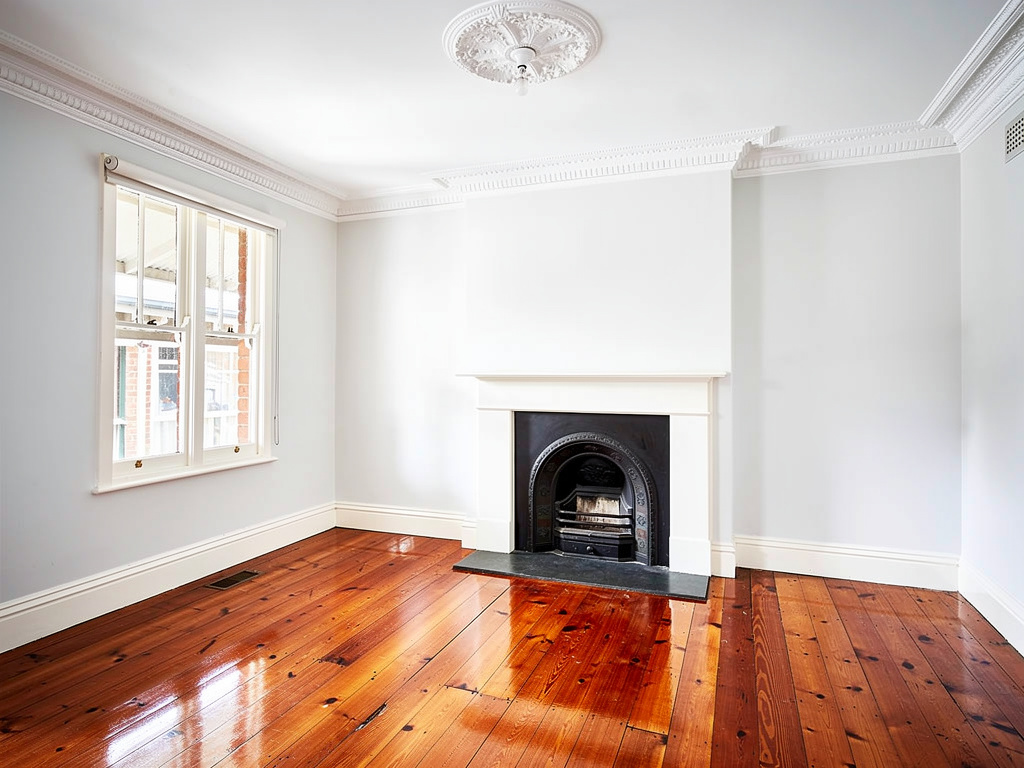
A recently completed living room repaint in Essendon — warm white walls in Dulux Wash&Wear low sheen with freshly painted ceiling and trim.
Wall Preparation: The Foundation of Every Good Paint Job
Preparation is 60–70% of a professional painter’s time on any interior job. It is also the step most homeowners underestimate and the step that separates a finish lasting 10 years from one that fails within two. For the full process, see our wall preparation guide.
What preparation includes
- Filling — Every nail hole, crack, dent, and patch is filled with a quality filler, then sanded smooth once dry. In older Melbourne homes, hairline cracks along cornices and around door frames are extremely common.
- Sanding — All filled areas and glossy surfaces are sanded to create a smooth, even profile and a mechanical key for the new paint to grip.
- Cleaning — Walls in kitchens, bathrooms, and near fireplaces accumulate grease, dust, and residue that prevents paint adhesion. These surfaces are washed down with sugar soap before priming.
- Priming — Bare patches, filled areas, and stained surfaces receive a primer coat to seal the surface and ensure even absorption of the topcoat. Without primer, repairs telegraph through the finished paint as dull spots or uneven sheen.
- Masking — Edges, architraves, power points, light switches, and any surface not being painted are masked with tape and protected with drop sheets.
Why cutting corners on prep fails
Skipping preparation is the most common cause of paint failure in Melbourne homes. Unfilled cracks reappear within months. Unprimed patches show as dull spots under the topcoat. Unsanded glossy surfaces cause the new paint to peel. Every shortcut becomes visible once the paint dries — and fixing it later means stripping back and starting again, which costs more than doing it properly the first time.
Room-by-Room Guide
Every room in your home has different demands. Here is what each room involves and what to expect.
Bedrooms
Bedrooms are the most straightforward rooms to paint. Standard preparation, two coats of Dulux Wash&Wear in matt or low sheen, and a fresh ceiling coat. A standard bedroom takes 4–6 hours for an experienced painter. The main consideration is colour — bedrooms are where homeowners most often experiment with feature walls or deeper tones. If you are going from white walls to a dark colour (or the reverse), factor in the additional coat required for a tinted primer.
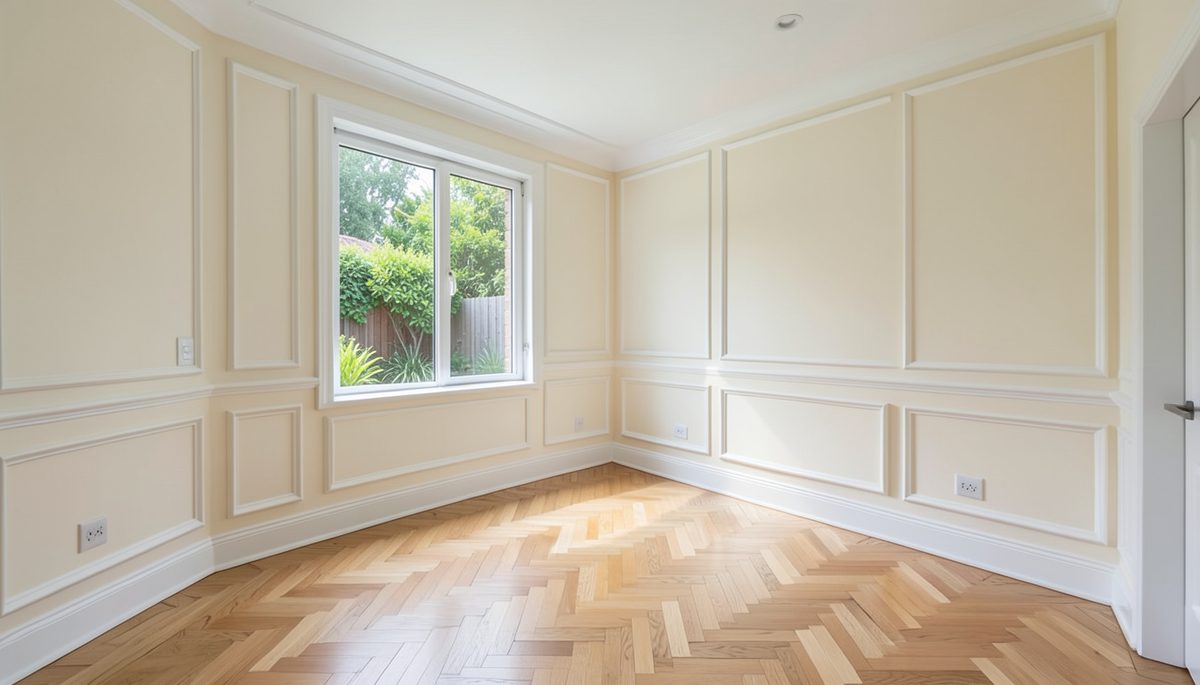
Bedroom repaint in South Melbourne — clean walls, fresh ceiling, and crisp enamel on the skirting and architraves.
Living rooms
Living rooms are typically the largest single room in the house and the most visible. They receive the most natural light, which means surface imperfections and uneven coverage are more noticeable here than in any other room. Low sheen is the standard finish — it provides the right balance of washability and visual softness. Open-plan living and dining areas are priced higher because the continuous wall and ceiling area is significantly larger, and the work must be seamless across the entire space.
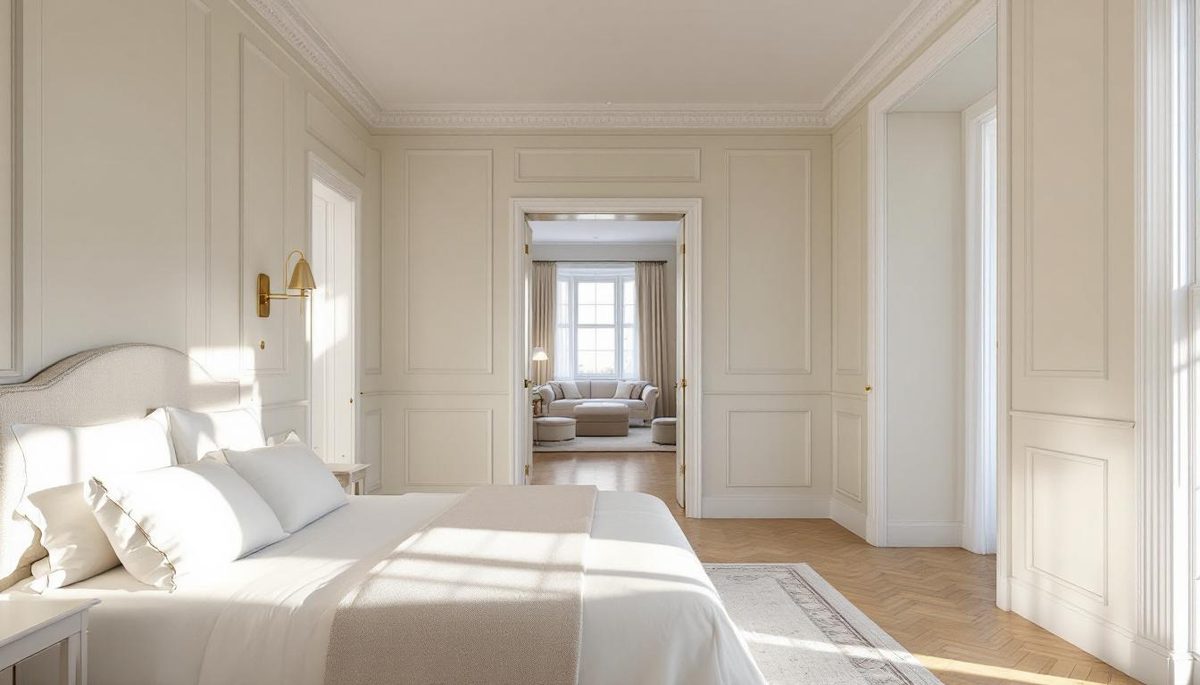
Master bedroom in an Edwardian home — heritage-appropriate wall colour with detailed enamel trim work throughout.
Kitchens
Kitchen painting is more involved than bedrooms or living rooms because the surfaces deal with grease, steam, and regular cleaning. Walls must be thoroughly cleaned and degreased before painting. Low sheen or satin finishes are essential — matt finishes stain and mark too easily in cooking environments. Areas behind the stove and sink take the most wear and benefit from a kitchen-specific paint system. Kitchen painting costs $500–$900 for walls, ceiling, and trim.
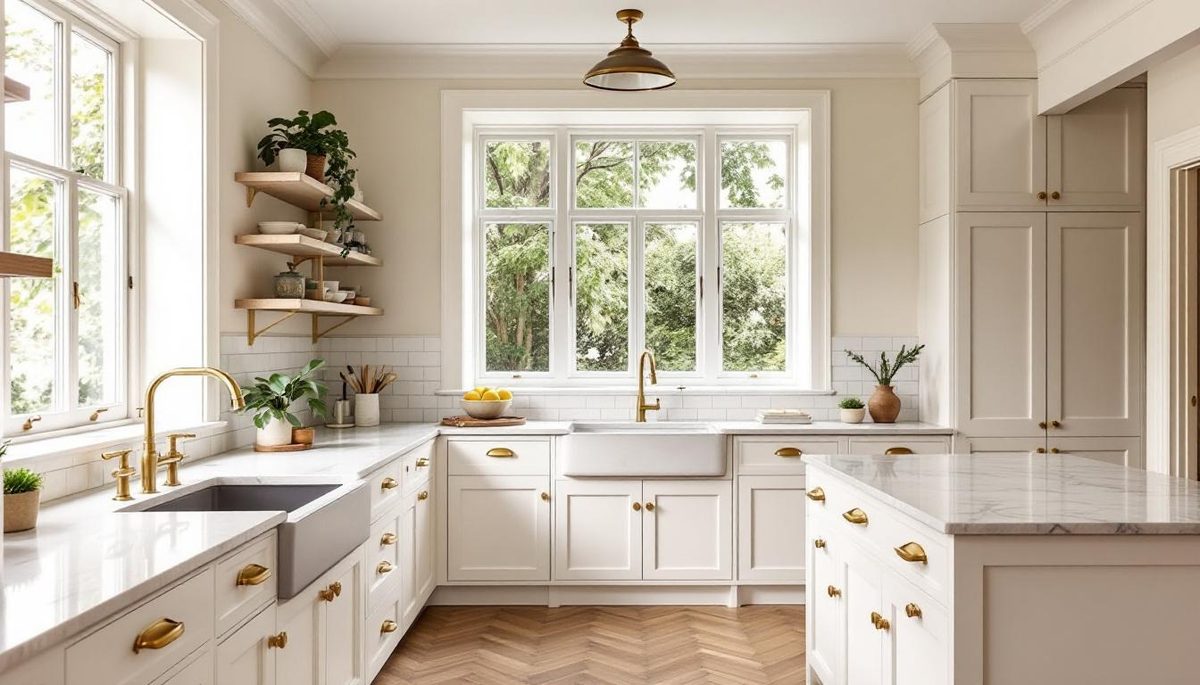
Kitchen repaint in a Melbourne Edwardian home — walls finished in low sheen for durability and easy cleaning.
Bathrooms
Bathrooms require paint systems designed for humid, poorly ventilated environments. Standard wall paint breaks down in bathrooms — it absorbs moisture, promotes mould growth, and peels from surfaces exposed to regular steam. A quality bathroom-specific paint system (such as Dulux Wash&Wear Kitchen & Bathroom) in low sheen or satin is essential. Before repainting, any existing mould must be killed and the underlying ventilation issue addressed — painting over mould does not solve it. Bathroom painting costs $500–$900.
Hallways
Hallways take more wear than almost any other surface in a home. They are narrow, high-traffic, and constantly brushed against by people, bags, and pets. Low sheen is the minimum finish — it must withstand regular cleaning. Hallways also tend to be long, continuous surfaces where roller marks and join lines are highly visible, so consistent technique across the full length is important. Skirting boards in hallways need repainting more frequently than in other rooms due to scuff marks from shoes and vacuum cleaners.
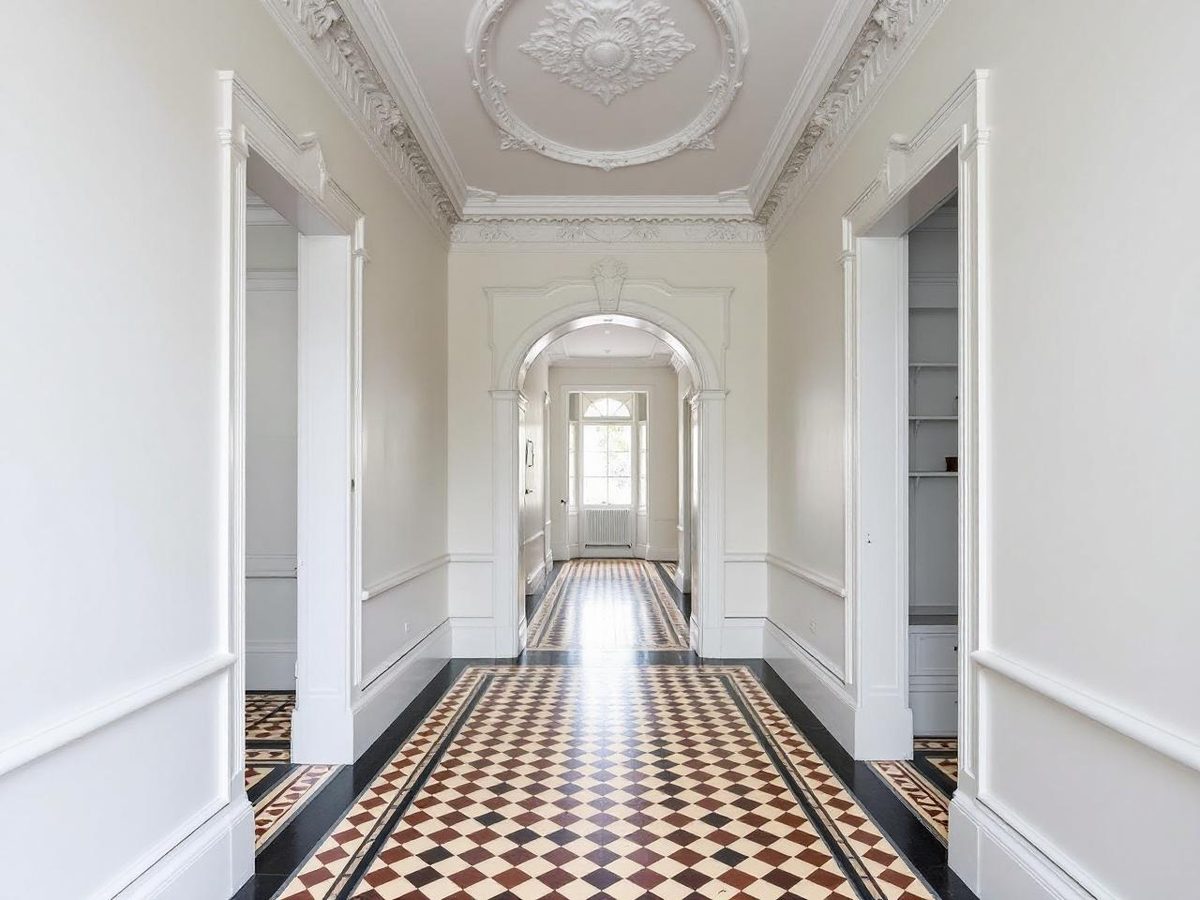
Hallway repaint in Essendon — low sheen walls with fresh ceiling and enamel on skirting throughout.
Ceilings
Ceilings are the most underappreciated surface in interior painting. A yellowed, patchy ceiling makes even fresh wall paint look dull. Freshly painted ceilings reflect more light, make rooms feel larger, and provide the contrast that allows your wall colour to look its best. Ceiling painting involves working overhead with a roller on an extension pole — it is slow, physically demanding work. For full detail, see our ceiling painting guide.
Painting Specific Surfaces
Doors
Interior doors are painted in enamel — typically semi-gloss or satin — for durability and a smooth, even finish. A standard interior door takes 2–3 hours per side including preparation, priming (if needed), and two coats. Both sides, the jamb, and the architrave frame are typically quoted as a single unit. Hollow-core doors and solid timber doors require different preparation approaches. See our door painting guide for the full process.
Architraves and skirting boards
Architraves (the trim around door and window frames) and skirting boards (baseboards along the floor line) are painted in enamel to match the doors. This trim work provides the visual frame for your wall colour — crisp, clean trim makes the entire room look sharper. Skirting boards require careful masking at the floor line and patient, steady brushwork to avoid runs and sags in the enamel.
Feature walls
A feature wall — a single wall painted in a contrasting or accent colour — adds visual interest and depth to a room without the commitment of colouring the entire space. Feature walls work best when they anchor the room’s focal point: the wall behind a bed, a fireplace wall, or a dining room wall. For inspiration and practical advice, see our feature wall guide.
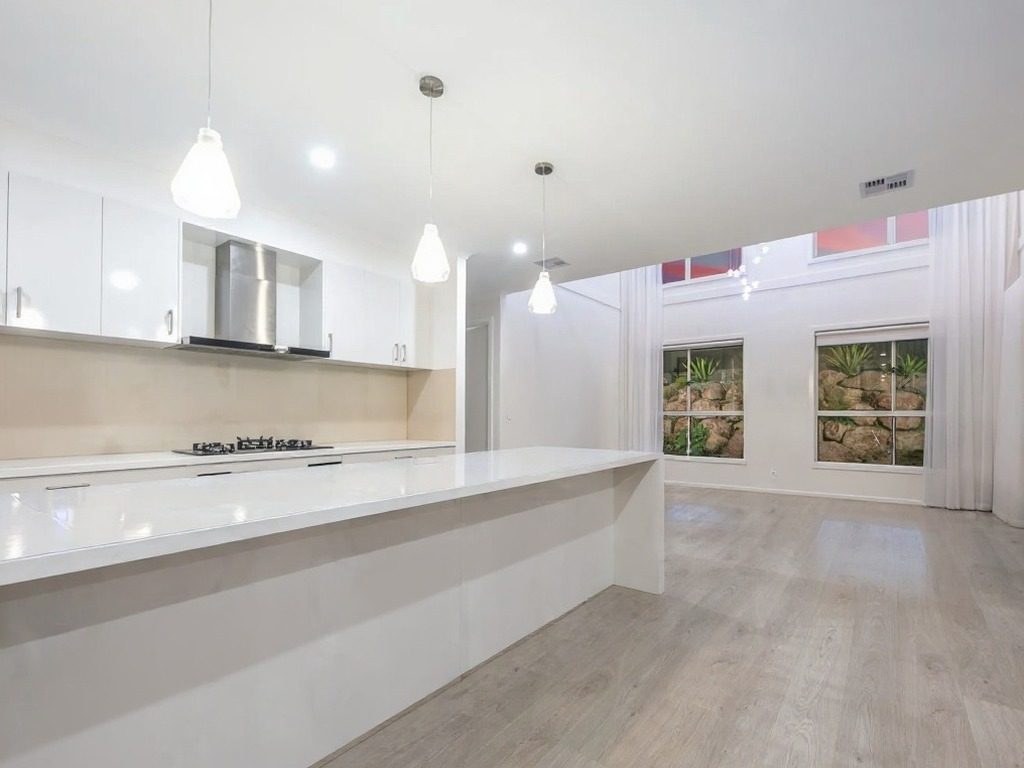
Modern kitchen in Aintree — fresh walls in a warm neutral tone complementing the island bench and cabinetry.
Timeline and What to Expect
A full interior repaint of a standard 3 bedroom home takes 3–5 days with a 2-person crew. Here is how those days typically break down. For the complete timeline guide, see how long it takes to paint a house.
Day 1: Setup and preparation
The crew arrives, protects all floors and furniture with drop sheets, and begins preparation — filling holes and cracks, sanding surfaces, cleaning kitchen and bathroom walls, and masking edges. In homes with significant wall damage or old paint in poor condition, preparation may extend into the second day. Preparation is 60–70% of the painter’s time — this is where the quality of the final result is determined.
Day 2: Ceilings and first coat on walls
Ceilings are painted first — always before walls — so that any ceiling overspray or drips are covered by the wall coats. Once ceilings are done, the first coat of wall paint goes on. Cutting in (the brush work along edges, corners, and around fixtures) is done first, followed by rolling the main wall areas.
Day 3: Second coat on walls
The second wall coat goes on once the first coat is fully dry. Two coats are standard for any quality repaint — they provide full, even coverage and the correct colour depth. A single coat almost never looks right, regardless of what the paint tin claims.
Day 4–5: Enamel work and final touches
Doors, skirting boards, architraves, and window frames are painted with enamel. This is slow, detail-oriented work — enamel paints are less forgiving than wall paints, and any runs, drips, or brush marks are highly visible. Final touch-ups, clean edges, and quality checks are completed. Drop sheets are removed and the home is handed back.
Living in Your Home During Painting
Most Melbourne homeowners stay in their home during an interior repaint. Here is how to make it work smoothly. For a full preparation checklist, see our house painting checklist.
Before the painters arrive
- Remove fragile items, personal valuables, and electronics from the rooms being painted
- Take down wall hangings, curtain hardware, and anything mounted to walls
- Clear surfaces of ornaments and small items — the painters will move furniture, but small items are your responsibility
- Secure pets in a room that is not being painted, or arrange alternative care for the work days
During the project
- The painters work room by room — you have access to all rooms except the one currently being painted
- Keep windows open where possible for ventilation — modern water-based paints have low odour but fresh air speeds drying
- Avoid walking through freshly painted areas for at least 2 hours after each coat
- Ask your painter about the daily schedule so you can plan around the work zones
Ventilation and air quality
Modern interior paints like Dulux Wash&Wear meet Australian VOC (volatile organic compound) standards and have significantly lower emissions than older formulations. For households with particular sensitivity — young children, pregnant women, or respiratory conditions — low VOC and zero VOC options are available and perform as well as standard products.
DIY vs Professional Painting
The core question is whether the cost saving justifies the time, effort, and quality difference. Here is the honest comparison.
DIY makes sense for: single-room touch-ups in the same colour, rental properties where a basic finish is acceptable, and small areas where the time investment is a few hours rather than days.
Professional painting makes sense for: multiple rooms, any room visible to guests or buyers, ceilings above 2.7m, enamel work on trim (enamel is extremely unforgiving of amateur technique), homes with heritage detailing, and any situation where the cumulative time cost of DIY exceeds the monetary cost of hiring a professional.
A standard bedroom takes a professional painter 4–6 hours. The same room takes an inexperienced DIY painter 8–14 hours — and the result is visibly different. When you multiply that across a full home, the time cost of DIY becomes prohibitive for most working homeowners.
For the detailed breakdown including material costs, tool lists, and common DIY mistakes, see our DIY vs professional painting guide.
Special Situations
Lead paint in pre-1970 homes
If your Melbourne home was built before 1970, there is a reasonable chance it contains lead-based paint — particularly on exterior surfaces, window frames, and doors. Lead paint is safe when intact and undisturbed, but it becomes a serious health hazard when sanded, scraped, or disturbed during renovation or repainting. If your home is pre-1970, a lead test should be conducted before any sanding or scraping begins. Professional painters follow EPA Victoria lead safety guidelines including dust containment, wet sanding, and safe disposal of lead-contaminated waste. Do not attempt to sand or scrape suspected lead paint yourself.
Painting over wallpaper
Firmly adhered wallpaper in good condition can sometimes be painted over — but it requires proper preparation including sealing all edges, applying a bonding primer, and using the right topcoat system. Peeling, bubbling, or heavily textured wallpaper should be removed before painting. The full process is covered in our painting over wallpaper guide.
Low VOC and zero VOC paints
For households with young children, pets, or occupants with chemical sensitivities, low VOC and zero VOC paints are available from both Dulux and Haymes. These products meet stricter emission standards than standard paints while delivering comparable performance. See our low VOC paint guide for product recommendations.
Curing and Aftercare
Paint cures in stages. Understanding the timeline prevents the most common post-painting mistakes.
The curing timeline
- Touch-dry: 1–2 hours — The surface is dry to a light touch. You can walk past without marking it.
- Recoat-ready: 2–4 hours — The surface is ready for a second coat.
- Light use: 24–48 hours — Furniture can be moved back carefully. Avoid pressing anything hard against the walls.
- Full cure: 2–4 weeks — The paint reaches maximum hardness and chemical resistance. Until this point, the surface is softer than its final state and more vulnerable to damage.
Aftercare during the curing period
- Do not scrub, wipe, or clean painted walls for at least 2 weeks
- Do not hang pictures, install hooks, or attach anything to freshly painted surfaces for at least 2 weeks
- Avoid placing furniture flush against walls — leave a small gap to prevent sticking
- Keep rooms ventilated to assist the curing process
- If you notice a mark during the curing period, leave it — attempting to clean it will likely damage the uncured surface. After 4 weeks, a damp cloth will remove most marks from a quality low sheen finish
Long-term maintenance
Quality interior paint on well-prepared walls lasts 7–10 years before repainting is needed. To extend the life of your paint:
- Clean marks promptly with a damp cloth once the paint has fully cured
- Address water leaks and moisture issues immediately — water damage is the most common cause of premature paint failure
- Touch up scuffs and chips early rather than letting them accumulate
- Maintain adequate ventilation in bathrooms and kitchens to prevent moisture-related paint breakdown
Why Modernize Solutions
Modernize Solutions has been painting Melbourne homes since 1987 — founded in Footscray and still locally owned and operated. Over 35 years and 1,000+ residential projects, we have built a reputation for honest pricing, thorough preparation, and clean results that last.
- Rated 4.8 stars on Google (154 reviews)
- $20M public liability insurance on every project
- Premium Dulux products on every project — we use Dulux Wash&Wear, Weathershield, and other premium systems as standard
- Owner on-site every project — direct accountability from start to finish
- Written workmanship guarantee on every project
We use Dulux premium paint systems as standard, provide fixed-price written quotes with no hidden extras, and back every job with a workmanship guarantee. Whether you need a single bedroom refreshed or a full interior transformation, our process is the same: thorough preparation, quality products, and clean execution.
Call 0451 040 396 or request a free quote online to discuss your interior painting project.
Frequently Asked Questions
How much does it cost to paint the inside of a 3 bedroom house in Melbourne?
A full interior repaint of a 3 bedroom home in Melbourne costs $8,000–$15,000 including walls, ceilings, and trim. A 4 bedroom home with full enamel on all trim runs $12,000–$20,000. Paint materials add approximately $800–$1,500 on top. For a detailed room-by-room breakdown, see our room painting cost guide.
What is the best paint for interior walls in Melbourne?
Dulux Wash&Wear is the industry standard — superior coverage, washability, and durability at $60–$90 per 4L tin. Haymes Expressions is a quality Australian alternative. Premium paints contain more pigment and better resins, meaning fewer coats and a finish that lasts years longer than budget options. See our Dulux vs Haymes comparison.
How long does it take to paint the interior of a house?
A standard 3 bedroom home takes 3–5 days with a 2-person crew — preparation, two coats on walls and ceilings, and enamel on trim. Preparation accounts for 60–70% of the total time. See our full timeline guide for day-by-day breakdowns.
What paint finish should I use for my living room walls?
Low sheen is the best finish for living room walls in most Melbourne homes. It provides a clean, modern appearance with good washability and enough texture-hiding ability for walls that are not perfectly smooth. Matte works in formal living rooms where a softer look is the priority, but it is less durable. Semi-gloss is too reflective for walls — save it for trim. Our paint finish guide covers every room in detail.
Do I need to move out while my house is being painted inside?
No. We work room by room, so you only lose access to one room at a time. Modern water-based paints have low odour and are touch-dry within hours. Keep windows open for ventilation and secure pets away from the active work area. See our house painting checklist for a full preparation guide.
How do I prepare my walls for painting?
Professional painters handle all preparation — filling, sanding, priming, degreasing, and masking — as part of the quoted job. It accounts for 60–70% of the total time. Before the painters arrive, remove wall hangings, personal items, and fragile valuables. For the full process, see our wall preparation guide.
What colours are trending for Melbourne homes in 2026?
Warm whites (Dulux Lexicon Quarter leads), greige tones, earthy greens (sage, olive, eucalyptus), and warm clay accents. The cool greys of the 2010s have fallen out of favour. Heritage homes are returning to the Dulux Heritage range. Always test colours in your actual space — Melbourne’s light varies dramatically by room orientation. Our colour selection guide covers the testing process.
How often do interior walls need repainting?
Interior walls painted with quality paint on properly prepared surfaces last 7–10 years before repainting is needed. High-traffic areas like hallways and children’s rooms may show wear at the shorter end of that range. Bedrooms and formal rooms often last the full 10 years. The two biggest factors are paint quality and surface preparation — cheap paint on poorly prepared walls may only last 3–5 years.
Is it worth painting my ceilings too?
Absolutely. A fresh white ceiling is the single most impactful improvement most homeowners do not expect. Yellowed, stained, or patchy ceilings make even freshly painted walls look dull. A clean Dulux Ceiling White finish reflects more light, makes the room feel larger, and provides the contrast that lets your wall colour look its best. Always include ceilings in a full interior repaint. See our ceiling painting guide.
Should I paint my doors and skirting boards or just the walls?
If your doors and skirting are scuffed, chipped, or yellowed, painting them in fresh enamel completes the transformation. Clean, crisp trim provides the visual frame that makes your wall colour look sharp. If your existing trim is in good condition and the colour works with the new walls, you can skip it — but including trim is what takes a repaint from “refreshed” to “renovated.” See our door painting guide.
Can you paint over wallpaper or does it need to come off?
It depends on the wallpaper’s condition. Firmly adhered wallpaper with no lifting edges or texture can sometimes be painted over after sealing edges and applying a bonding primer. Peeling or textured wallpaper should be removed first — painting over it traps the problem underneath. For the full decision framework, see our painting over wallpaper guide.
What is the difference between Dulux Wash&Wear and cheap paint?
Dulux Wash&Wear uses higher-quality resins and more concentrated pigments — better coverage per coat, superior washability, and colour retention that lasts a decade. Budget paints use more fillers and less pigment, typically needing three or more coats and deteriorating faster. Over a 7–10 year repainting cycle, premium paint is actually cheaper because it covers better and does not need early replacement.
How long after painting can I hang pictures and put furniture back?
Move furniture back carefully after 24–48 hours, leaving a small gap between furniture and walls. Wait at least 2 weeks before hanging pictures, installing hooks, or attaching anything to the walls. Paint takes 2–4 weeks to fully cure — until then, it is softer than its final state and more vulnerable to denting and sticking. After 4 weeks, the surface reaches full hardness and can be cleaned with a damp cloth.
Do painters move furniture or do I have to do that myself?
Professional painters move furniture to the centre of the room and cover it with drop sheets — this is included in a standard quote. You do not need to empty the room. Remove fragile items, personal valuables, and electronics yourself before the painters arrive. If a room contains extremely heavy or awkward items (pianos, large aquariums, wall-mounted TVs), discuss this with your painter during the quoting stage.
Is the paint smell safe for kids and pets?
Modern water-based interior paints like Dulux Wash&Wear have very low odour and meet Australian VOC emission standards. The smell dissipates within a few hours with adequate ventilation. Keep children and pets out of the room being actively painted and for at least 2 hours after each coat until touch-dry. For extra sensitivity, low VOC and zero VOC paint options are available that virtually eliminate odour while maintaining the same performance.
What is the best white paint for Melbourne homes?
Dulux Lexicon Quarter is the most popular white across Melbourne — bright and clean without the cold sterility of a true white. Use a slightly warmer white in south-facing rooms (cool, indirect light) and a cooler white in north-facing rooms (strong natural light). Always test at least three whites on the actual wall — whites are the most light-sensitive colours and shift dramatically between rooms. Our colour selection guide covers the testing methodology.
How much paint do I need for a 3 bedroom house?
A standard 3 bedroom interior typically requires approximately 30–40 litres of wall paint (for two coats on all walls), 10–15 litres of ceiling paint, and 5–10 litres of enamel for doors, skirting boards, and architraves. At $60–$90 per 4L tin for premium paint like Dulux Wash&Wear, total paint material cost runs approximately $800–$1,500 depending on colour changes, primers needed, and product tier. Your painter will calculate exact quantities based on measured wall area during the quoting process.
Related Service: Interior Painting
Transform your living spaces with expert interior painting and premium Dulux finishes.
Learn more about our Interior Painting service →
Modernize Solutions
Melbourne's most experienced residential painters since 1987.